
The short answer
SummitAir repairs central air conditioners, heat pumps and ductless units across Glendale ZIP codes 91201 through 91210. We start with airflow and electrical checks, explain the fault in plain terms, and get your approval before any part is replaced.
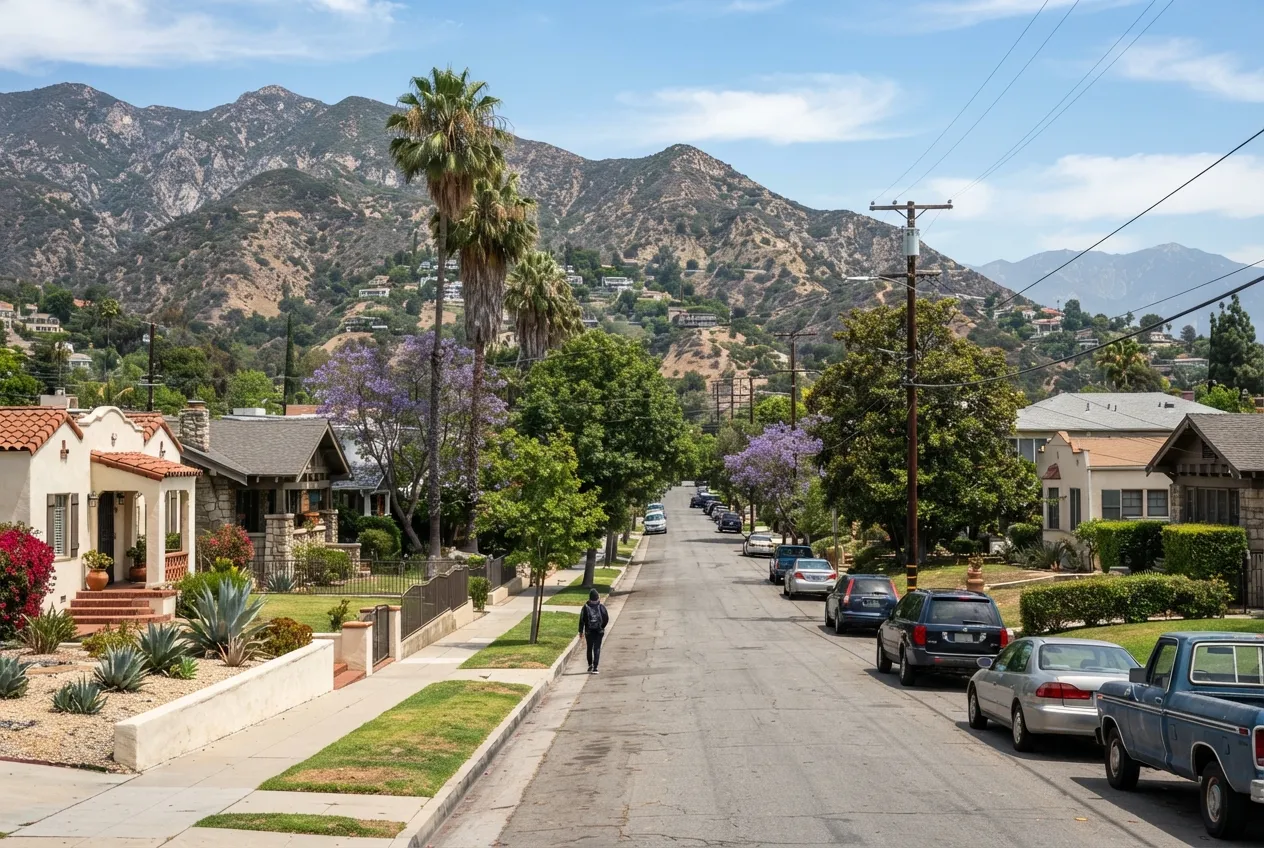
Glendale sits about seven miles west of our Pasadena shop, so a cooling problem in 91201 or 91208 is a short drive for us rather than a cross-county trip. The city covers a lot of ground, from flat blocks of older bungalows and apartment buildings to hillside streets where homes catch the full afternoon sun. That mix shows up in the repair calls we get. A condo owner downtown might have a rooftop condenser that shares space with a dozen neighbors, while a house up the slope might have an air handler wedged into a hot attic above stucco walls. This page explains how we approach air conditioner repair for Glendale homes specifically: what tends to fail here, what we check first, and how to tell whether your system needs a fix or just a filter.
Why Glendale air conditioners give out in late summer
Glendale is an inland city, and inland Los Angeles runs much hotter in summer than the neighborhoods near the coast. A system that coasts through June can start struggling in August and September, when long stretches of heat keep the compressor running almost without a break. Fall Santa Ana winds can add another hot, dry spell just when many owners assume the season is over.
Long run times expose weak parts. Start capacitors lose strength, contactor points pit and stick, and condenser fan motors that were already noisy finally stop. Dust blown in by dry winds packs into outdoor coil fins and cuts heat rejection, which pushes head pressure up and makes everything work harder. Most of the calls we answer in Glendale during a heat spell trace back to one of those wear items rather than a dead compressor.
Housing types we see in 91201 to 91210
Glendale housing is varied, and the type of building changes how a repair goes. We plan around the access and equipment layout before we arrive, so the visit is not spent hunting for a ladder or a roof key.
- Older single-story stucco homes, often with a furnace and evaporator coil in the attic and duct runs that have been patched over several decades.
- Hillside houses where the condenser sits on a narrow side yard or a sloped pad, and where sun exposure on the west wall keeps indoor temperatures high late into the evening.
- Condos and apartment buildings with rooftop or podium-level condensers, where we coordinate access with the HOA or building manager before the visit.
- Newer construction and remodels with ductless mini-splits or heat pumps, which need refrigerant and board diagnostics rather than the old furnace-and-coil checklist.
What a repair visit actually involves
We begin with the simple causes, because they are common and cheap to rule out. That means checking the thermostat settings and batteries, the air filter, the breaker and the outdoor disconnect, and the condensate safety switch, which shuts many systems down when a drain line clogs. A surprising number of no-cooling calls end right there.
If the basics are fine, we move to measurements. We read supply and return air temperatures, check the capacitor and contactor, listen to the compressor and fans, and measure refrigerant pressures when the symptoms point that way. Low refrigerant is never the end of the diagnosis; it means there is a leak somewhere, and we tell you where we think it is and what finding it involves.
Before any part goes in, you get a plain explanation of what failed, what the repair is, and whether the rest of the system is in shape to justify it. You decide. We do not swap parts on a hunch and hope the next one fixes it.
Signs worth a call before the next heat spell
Some problems announce themselves early. If you catch them while the weather is still mild, the repair is usually simpler and you are not stuck waiting during the busiest stretch of the year.
- The outdoor unit hums but the fan blade does not spin, or it spins only after a nudge.
- Ice forms on the copper line near the condenser or on the indoor coil.
- Water appears around the indoor unit, in the attic, or on a ceiling below it.
- Rooms on the sunny side of the house stay several degrees warmer than the rest, even with long run times.
- The breaker trips when the compressor tries to start, or the lights dim noticeably as it kicks on.
Repair or replace: an honest read
Not every old system needs to go. A failed capacitor or fan motor on a ten-year-old unit is usually worth fixing. The math changes when the compressor fails, when a large refrigerant leak sits in an evaporator coil buried in an attic, or when the system uses an older refrigerant that has become expensive to service. In those cases we lay out both paths side by side and let you choose.
If replacement makes more sense, we can also talk about heat pumps, which handle both cooling and heating. Rebate programs depend on the utility that serves your Glendale address, so we confirm what is currently offered before we mention it in any quote. We also serve the neighboring communities of La Cañada Flintridge, South Pasadena, San Marino, Alhambra and San Gabriel, so if you own property in more than one of them, one crew can handle both.
More services in Glendale
- Heating Repair in Glendale
- Heat Pump Installation in Glendale
- AC Installation in Glendale
- Furnace Repair in Glendale