
The short answer
A heat pump suits Pasadena-area homes that need both cooling and heating, especially when an AC or furnace is due for replacement. We check sizing, ducts, electrical capacity, and your utility's rebate options before recommending a system.
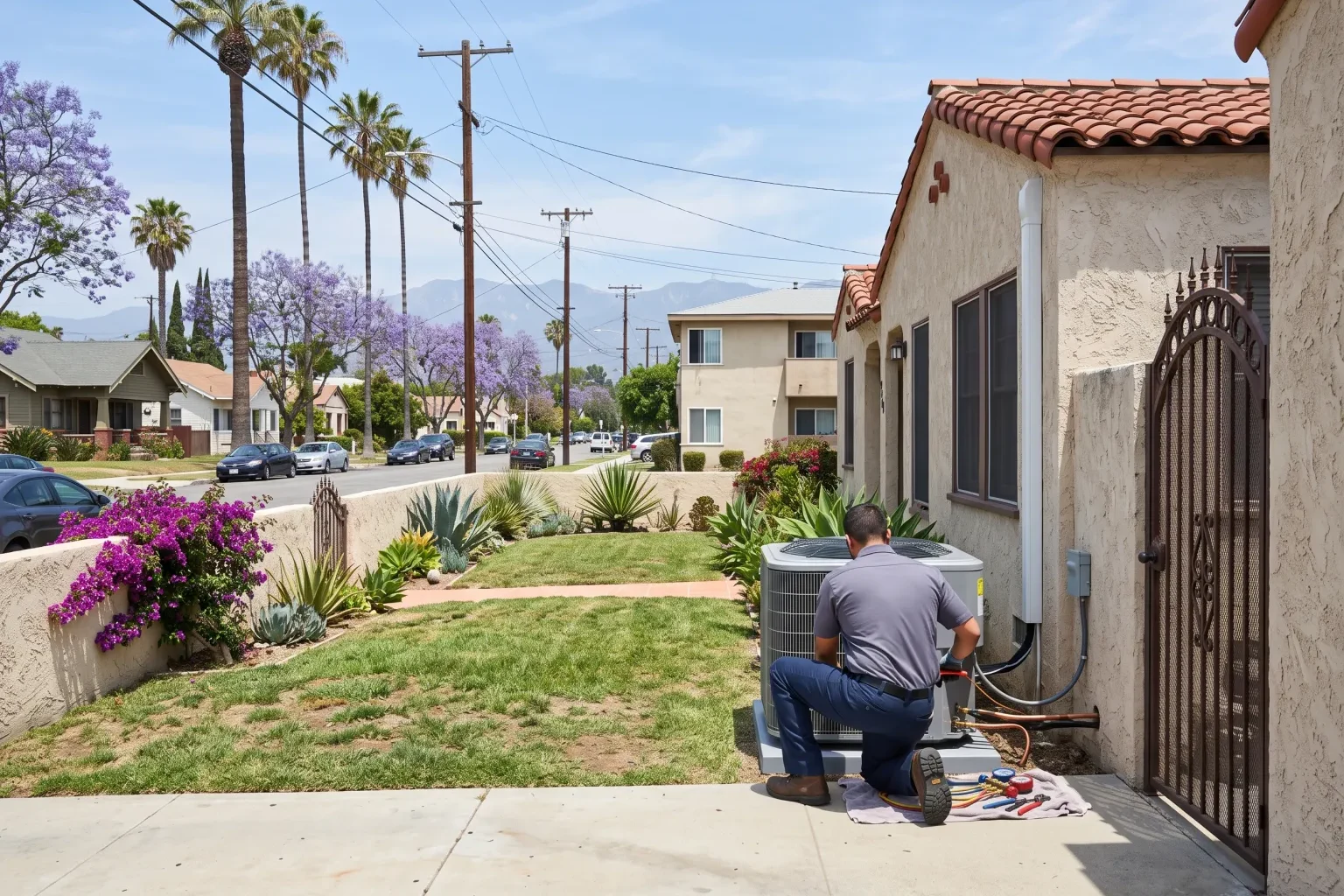
A heat pump moves heat instead of making it. In summer it pulls heat out of your home and sends it outside, and in winter it reverses and brings warmth in. For the Pasadena area, with its dry, hot summers and mild winters, that two-way design covers the full year with a single piece of outdoor equipment. Homeowners usually come to us at one of three moments: an air conditioner has failed and they want heating built into the replacement, a gas furnace is nearing the end and they would rather go electric, or they are planning ahead because of changing rules on gas equipment. SummitAir HVAC Contractors designs and installs ducted and ductless heat pump systems for houses and condos throughout the region. Here we go through the signals that a heat pump fits your home, what we evaluate before quoting, how we handle an older heat pump that is underperforming, what drives project cost, and how installation day plays out.
Good Reasons to Consider a Heat Pump
A heat pump is not right for every home, but it fits a wide range of situations here. Consider one if:
- Your central AC is aging and you also want to retire an old furnace
- You are planning a furnace replacement and want to understand electric alternatives
- Upstairs rooms overheat in summer and feel drafty in winter
- You want one system for both seasons instead of two separate appliances
- Your current heat pump is running constantly, losing capacity, or making new noises
- You are adding rooms and want efficient comfort for the new space
How We Evaluate Your Home
Sizing a heat pump correctly matters more than with a furnace, because the same equipment handles both peak summer heat and winter heating. In inland parts of the San Gabriel Valley, summer cooling is usually the larger load, and fall Santa Ana winds can add hot, dry stretches well past summer. We calculate the load room by room, looking at insulation, window exposure, ceiling heights, and air leakage.
Ducts get close attention. Many older stucco homes around Pasadena have ducts running through hot attics, sometimes with crushed sections, disconnected joints, or worn insulation. A heat pump moves a steady volume of air, so we measure static pressure and look for leaks that could keep the new system from delivering.
We also review your electrical panel. Switching from gas heat to a heat pump may require a new circuit and sometimes a panel upgrade. Finally, we check where the outdoor unit can sit with good airflow and reasonable distance from bedroom windows, and confirm any HOA requirements if you live in a condo or townhome.
Repair or Replace an Existing Heat Pump
If you already have a heat pump, we start with a diagnosis. Common issues include a stuck reversing valve, failed defrost controls, low refrigerant from a leak, a weak capacitor, or a dirty outdoor coil. Many of these can be repaired at a reasonable effort.
We lean toward replacement when the compressor has failed on an older unit, when the system uses a refrigerant that is being phased down and becoming harder to service, or when the equipment was never sized correctly. We give you both paths and the trade-offs so you can choose.
Rebates, Credits, and Your Utility
Which incentives apply depends on who supplies your electricity. LADWP residential electric customers can apply for Consumer Rebate Program rebates on qualifying heat pump HVAC systems, with the amount based on the unit's SEER2 and HSPF2 rating. The application is filed after the equipment is purchased and installed, within 12 months of purchase.
Many homes outside the City of Los Angeles, including much of the area around Pasadena, are served by Southern California Edison instead of LADWP, so the available offers can be different. We confirm the current program for your address before including it in any quote.
One change worth knowing: the federal Energy Efficient Home Improvement Credit, often called 25C, covered qualifying heat pumps placed in service before December 31, 2025. It is not available for new installations after that date.
What Drives the Cost of a Heat Pump Project
Pricing depends on equipment and the work needed to fit it to your home:
- System type: ducted split, ductless mini-split, or a hybrid with a gas furnace backup
- Capacity and efficiency ratings of the equipment
- Condition of existing ductwork and whether sealing or replacement is needed
- Electrical upgrades such as a new circuit, disconnect, or panel work
- Removal of an old furnace, AC, or both
- Location of the indoor air handler and ease of access
- Thermostat or control upgrades and local permit requirements
Installation Day, Step by Step
After you choose a system, we schedule the work and pull the needed permit. The crew arrives, protects the work area, and removes the old equipment. The indoor air handler or coil is installed, the outdoor unit is set on a pad or bracket, and the refrigerant lines and electrical connections are made.
We pressure-test the line set, pull a deep vacuum, and charge the system. Then we run it in both cooling and heating modes, measuring airflow and temperatures to confirm it performs as designed. The thermostat is configured for heat pump operation.
Before we leave, you get a walkthrough of the controls, filter location, and what to expect from defrost cycles in cooler weather, so the occasional pause or puff of vapor outdoors does not come as a surprise.
Heat Pump Installation by city
- Heat Pump Installation in San Marino
- Heat Pump Installation in South Pasadena
- Heat Pump Installation in San Gabriel
- Heat Pump Installation in Alhambra
- Heat Pump Installation in Sierra Madre
- Heat Pump Installation in Temple City
- Heat Pump Installation in Arcadia
- Heat Pump Installation in Rosemead
- Heat Pump Installation in La Cañada Flintridge
- Heat Pump Installation in Monterey Park
- Heat Pump Installation in Glendale
- Heat Pump Installation in El Monte