
The short answer
A good AC installation in Rosemead starts with a room-by-room load calculation and an honest look at the existing ducts, not a guess based on square footage. SummitAir plans the system around valley heat, attic conditions and your electrical panel, then installs, tests and walks you through it.
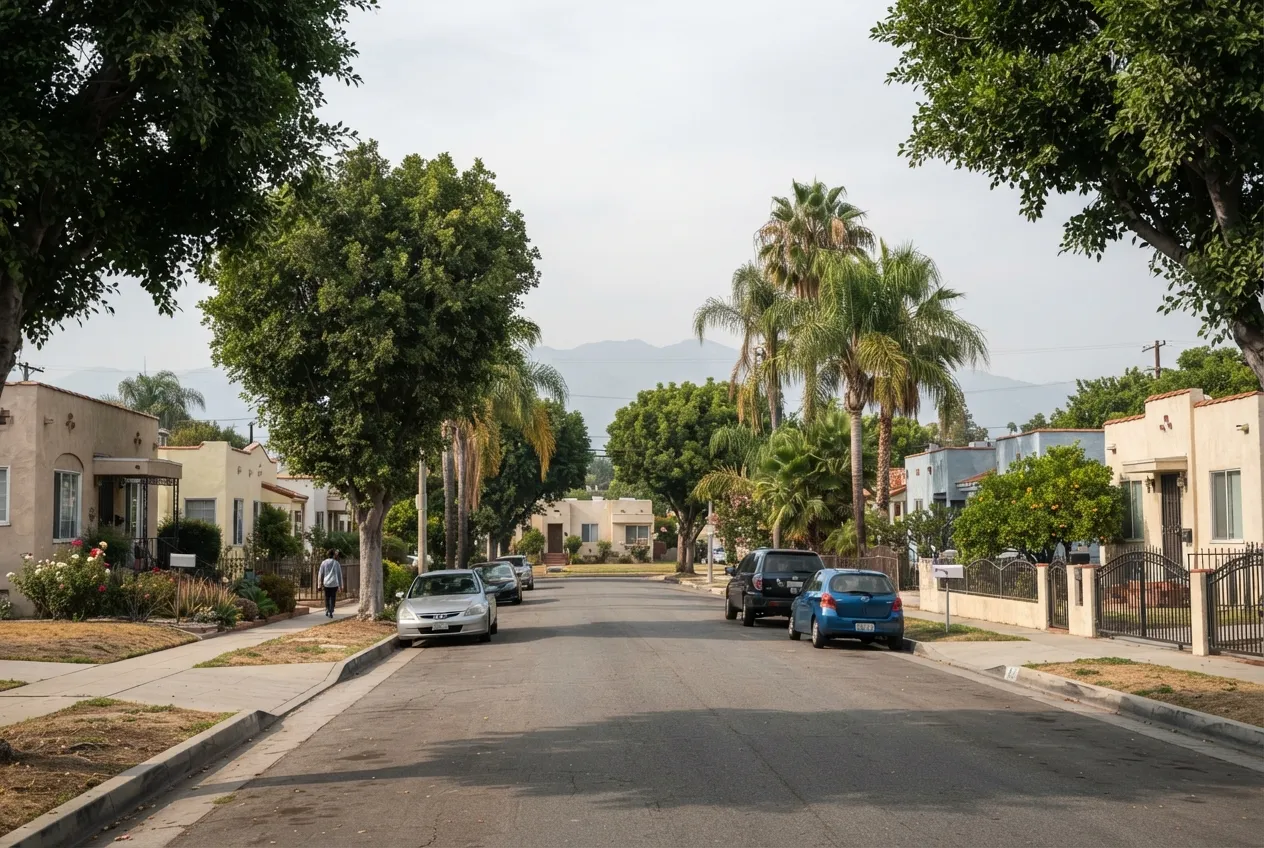
Rosemead sits in the middle of the San Gabriel Valley, far enough from the ocean that July and August afternoons stay hot well into the evening. A lot of houses in ZIP 91770 were built long before central air was common, so a new cooling system here is often the first one the house has ever had, or a replacement for a tired unit that someone added decades ago without much thought about duct size. SummitAir HVAC Contractors drives about six miles southeast from Pasadena to plan and install air conditioning that fits the actual house: its floor area, its attic, its windows and the way the family uses each room. This page walks through how we approach a Rosemead install, what we check before recommending equipment, and what you can expect on installation day.
Sizing a system for inland valley heat
Rosemead summers behave differently from the beach cities. The valley floor holds heat, and fall Santa Ana winds can push another stretch of hot, dry days into September or October. That means the system has to keep up during long runs, not just on a mild afternoon. Oversizing is a common mistake, though: a unit that is too large cools the air fast, shuts off, and leaves the house feeling clammy and uneven.
We run a load calculation that looks at insulation levels, window area and orientation, ceiling height, shade from trees or neighboring buildings, and how many people are usually home. A west-facing living room with big sliding doors needs a different share of the airflow than a back bedroom tucked under a shaded eave. The goal is equipment that runs steadily and keeps every room close to the thermostat setting.
What we inspect before quoting
Many single-story Rosemead homes have ductwork in the attic, and attic temperatures in summer can climb far above the outdoor reading. If those ducts are leaky, crushed or poorly insulated, a brand-new condenser will still struggle. Before we recommend anything, we look at the parts of the house that will decide how well the new system performs.
- Duct condition, sizing and insulation, including any flex runs that have sagged or pulled apart
- Return air paths, since many older homes have a single small return that starves the system
- Electrical panel capacity and whether a dedicated circuit is already in place
- Placement options for the outdoor unit, with attention to side-yard clearance and neighbors' windows
- Existing furnace or air handler, and whether the new coil will match it
- Thermostat location, which is sometimes on a sunny wall that throws off readings
Choosing between a split system, heat pump or ductless setup
Not every Rosemead house is a good match for the same equipment. If the home already has a gas furnace and decent ducts, a central split air conditioner paired with that furnace is often the simplest path. If the furnace is near the end of its life, a heat pump can handle both cooling and the mild winters in one system, and it avoids questions about future furnace emission rules.
Homes with no ducts at all, or additions and converted garages that never got connected to the main system, may be better served by a ductless mini-split. Each indoor head controls its own zone, which suits multigenerational households where different rooms keep different schedules. We lay out the trade-offs for your specific house so you can compare them side by side.
Rebates depend on who serves your address
Rosemead homes are generally outside the LADWP service area, and many properties in this part of the valley get their electricity from Southern California Edison. Because equipment rebates are tied to the utility that serves the address, we confirm which programs currently apply before we include any incentive in a proposal. If you are weighing a heat pump, keep in mind that the federal 25C tax credit only covered systems placed in service before the end of 2025, so it is not part of the math for a new installation now.
Installation day and what follows
Most replacements in a typical Rosemead single-family home take a full day, sometimes longer when ducts are being replaced or a new circuit is added. The crew protects floors and the path to the attic, removes the old equipment, sets the new outdoor unit on a level pad, and installs the indoor coil and line set. Refrigerant lines are pressure tested and evacuated before the system is charged, because a rushed charge is one of the main reasons new systems underperform.
Before we leave, we measure airflow and temperature split at the registers, confirm the condensate drain is flowing, and show you how to use the thermostat and where the filter goes. If wildfire smoke is a concern for your household, we can talk about filter upgrades that the new blower can handle without choking airflow. You get a clear record of what was installed so future service is straightforward.
We also install in nearby San Gabriel, Temple City, El Monte, Monterey Park and Alhambra, so if a relative or neighbor is planning the same project, the process will look familiar.
More services in Rosemead
- AC Repair in Rosemead
- Heating Repair in Rosemead
- Heat Pump Installation in Rosemead
- Furnace Repair in Rosemead