
The short answer
Furnace repair in Alhambra usually means cleaning or replacing flame sensors and igniters, fixing inducer and blower motors, clearing venting issues or restoring airflow. We inspect the heat exchanger and venting for safety on every call and explain your options before any work.
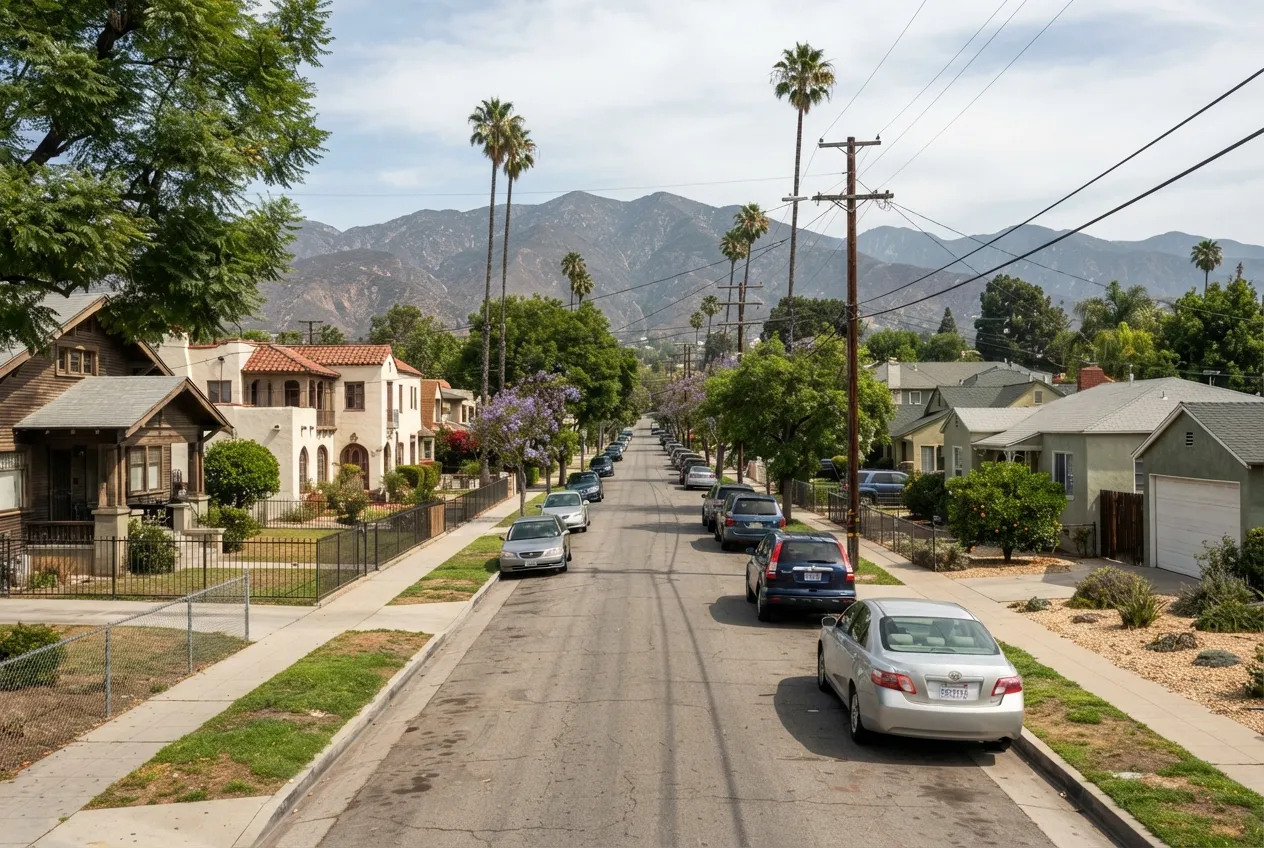
Furnaces in Alhambra lead quiet lives. Winters in the San Gabriel Valley are mild, so a gas furnace may sit idle for most of the year and then get asked to work hard during a few cold weeks in December and January. That long rest is part of the problem: dust settles on burners, flame sensors film over, pilot assemblies corrode and spiders find the burner tubes. The first chilly night of the season is when a lot of these systems announce they need attention. SummitAir HVAC Contractors repairs gas furnaces in 91801 and 91803 from our base about four miles north in Pasadena. On this page you will find what a furnace repair here typically involves, the warning signs that should never be ignored, and how we decide between fixing the unit you have and planning for its replacement.
Common failures after a long off-season
When a furnace starts, it runs through a sequence: the thermostat calls for heat, the inducer fan purges the heat exchanger, a pressure switch confirms draft, the igniter heats up, the gas valve opens and the flame sensor confirms that burners lit. A fault anywhere in that chain shuts the furnace down. Knowing where it stopped is most of the diagnosis.
In furnaces that sit unused for months, a few parts fail far more often than others.
- Flame sensors coated with residue, causing burners to light and then shut off after a few seconds
- Cracked or worn hot-surface igniters that no longer glow
- Inducer motors with dry or noisy bearings
- Pressure switches tripping because of a blocked vent, cracked hose or water in the collector box
- Blower motors or capacitors that fail when asked to run after a long break
- Dirty filters left over from summer cooling season that restrict airflow and trip the high-limit switch
Signs to treat as urgent
Some furnace symptoms are not about comfort but about safety. A smell of gas, a carbon monoxide alarm, soot around the furnace cabinet or a yellow, lazy flame where it should be blue all warrant shutting the furnace off and getting help before using it again. If you smell gas, leave the house and contact the gas utility from outside.
Rumbling or booming at startup can mean delayed ignition, where gas builds up before lighting. That puts stress on the heat exchanger and should be checked promptly rather than lived with through the winter.
How we work through a furnace call
Our technicians begin by watching the furnace run through its startup sequence and reading any diagnostic codes the control board displays. We test the igniter and flame sensor, check gas pressure, measure the draft and inspect the vent pipe from the furnace to the roof. We look at the heat exchanger for cracks or signs of overheating and check the blower, filter and return for airflow restrictions.
You get a plain explanation of what failed, what it affects and what fixing it involves. Many repairs are completed in a single visit because the commonly failing parts are standard across many furnace models.
Attic and closet furnaces in older homes
A good share of Alhambra houses have furnaces tucked into a hallway closet, a garage corner or the attic. Closet units can be starved for combustion air when a door is weatherstripped or the space is crowded with storage. Attic furnaces deal with summer heat and dust, and their drain and vent connections deserve a careful look. We pay attention to these installation details, because they often explain why a part keeps failing.
Ducts in the same attic space also matter for heating. Disconnected or crushed runs can leave a room cold even when the furnace itself is working perfectly.
When repair stops making sense
A cracked heat exchanger, repeated major failures or a very old furnace with hard-to-find parts can tip the decision toward replacement. If that is where things stand, we explain why and outline the options without pressure.
Replacement planning in this region has an extra layer. South Coast AQMD Rule 1111 limits NOx emissions from natural-gas fan-type central furnaces sold and installed here, and the district has been amending it toward zero-emission requirements. We check the current rule and compliance dates before recommending a new gas furnace. For some homes, a heat pump that heats and cools is worth comparing, and rebate availability depends on whether your address is served by Southern California Edison or another utility.
More services in Alhambra
- AC Repair in Alhambra
- Heating Repair in Alhambra
- Heat Pump Installation in Alhambra
- AC Installation in Alhambra