
The short answer
We repair AC systems throughout La Cañada Flintridge, including multi-system homes, hillside condensers and attic air handlers. Diagnosis covers electrical parts, airflow, drainage and refrigerant, and you approve the repair before work starts.
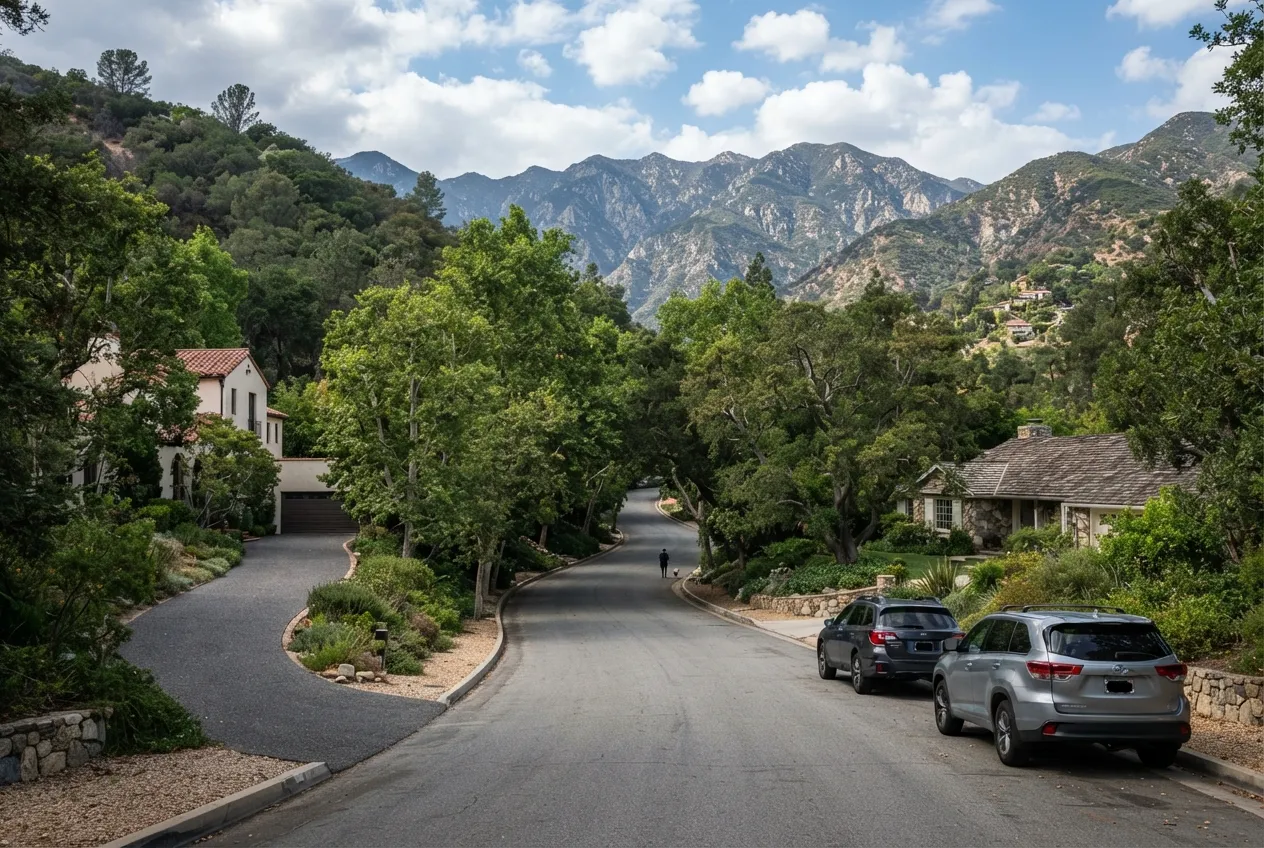
La Cañada Flintridge homes tend to be larger than average and spread out on hillside and foothill lots, and their cooling systems reflect that. It is common to find two or even three separate systems in one house, long refrigerant line runs to a condenser tucked down a slope, and attic air handlers serving wings that were added at different times. When one of those systems stops cooling, the cause can hide in places a quick visit would miss. SummitAir comes over from Pasadena, roughly six miles to the southeast, to repair central air, heat pumps and ductless units throughout ZIP code 91011. This page explains what we typically find here and how we work through it.
Multi-system houses need a methodical approach
In a home with more than one system, the first job is figuring out which equipment serves which rooms. Thermostats get swapped during remodels, zone dampers stick, and a condenser on the side yard may belong to the upstairs air handler rather than the one in the garage. We trace each system before testing so the repair targets the right equipment.
Zoned systems add another layer. A single air handler with motorized dampers can lose cooling to one area because a damper motor failed or a zone panel lost its signal, while the equipment itself is fine. We check the zone controls alongside the air conditioner so you do not end up replacing a part that was never the problem.
Foothill conditions and what they do to equipment
La Cañada Flintridge sits inland against the foothills, so summer afternoons run hot and fall Santa Ana winds can bring hot, dry spells late in the season. Those conditions are hard on outdoor units in a few predictable ways.
- Leaves, pine needles and windblown debris pack into condenser coils and around the base of the unit, cutting airflow and raising operating pressure.
- Smoke and ash during fire season clog filters fast and coat indoor coils, which reduces cooling and can freeze the coil.
- Long line sets running downhill to a remote condenser are more prone to oil return issues and harder to leak-check.
- Irrigation and landscape growth around the unit can corrode coil fins or block service access.
- Attic air handlers above sun-facing roofs work in extreme heat, which shortens the life of capacitors and blower motors.
How we diagnose a cooling failure
We start with the controls and power: thermostat settings, breakers, disconnects and the condensate safety switch. Next comes airflow, since a clogged filter or blocked return can make a healthy system look broken. Only then do we put gauges on the refrigerant circuit, read the pressures against the outdoor temperature, and check superheat or subcooling depending on the metering device.
Electrical components get tested under load, not just by eye. A capacitor can look perfect and still be well below its rated value. A contactor can pull in but have pitted points that drop voltage to the compressor. When we find the failed part, we also note anything else that looks close to failing and tell you, so you can decide whether to handle it during the same visit.
Refrigerant leaks and older equipment
If a system is low on refrigerant, it has a leak. In foothill homes with long line sets, the leak can be at a flare fitting, a service valve, or a rubbed spot where the line passes through a wall or along a slope. Indoor evaporator coils are another common source. We explain where we suspect the leak, how we would confirm it, and what the repair involves before adding any refrigerant.
Older systems that use phased-out refrigerant become more expensive to recharge every year. If your equipment falls into that group and needs a major repair, we will tell you honestly whether the money is better spent on replacement.
Neighboring areas
Along with La Cañada Flintridge, we handle AC repair in Glendale, South Pasadena, San Marino, Sierra Madre and Alhambra. Homeowners who have a second property or family nearby can use the same crew in each.
More services in La Cañada Flintridge
- Heating Repair in La Cañada Flintridge
- Heat Pump Installation in La Cañada Flintridge
- AC Installation in La Cañada Flintridge
- Furnace Repair in La Cañada Flintridge