
The short answer
We repair gas furnaces in La Cañada Flintridge homes, including multi-furnace and zoned setups. Common fixes involve flame sensors, igniters, pressure switches, limit switches and blower motors, always with venting and gas safety checks.
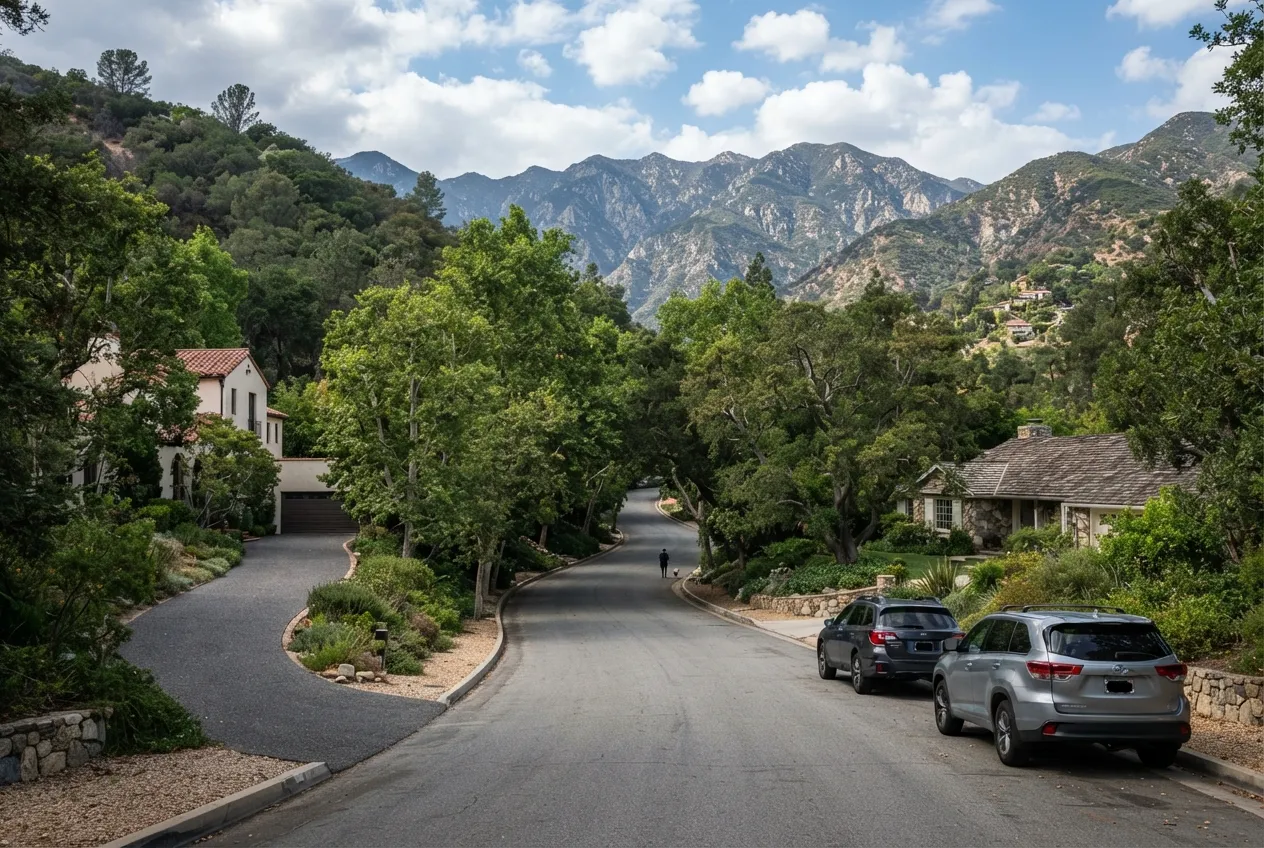
Winter nights in La Cañada Flintridge can feel noticeably colder than in the flatter parts of the San Gabriel Valley, because the city sits up against the foothills. That makes a working furnace more than a convenience for a few weeks a year. Many homes here run more than one gas furnace, often a mix of attic, basement-level and garage installations, and those units may be different ages and brands. SummitAir repairs gas furnaces throughout 91011, coming from our Pasadena base about six miles southeast. Below we cover the usual faults, how we keep repairs safe, and how to decide between fixing and replacing.
Typical calls from 91011
Most furnace calls we get in La Cañada Flintridge fall into a handful of patterns. Knowing which one matches your situation helps us arrive with the right parts.
- One furnace out of two or three has stopped, and the rooms it serves are cold while the rest of the house is fine.
- The furnace starts, runs briefly and shuts down, sometimes repeating that cycle for hours.
- Heat comes on but the blower is loud, rattles or squeals.
- A high-efficiency furnace shows a pressure switch code after heavy rain or a cold snap, often from a blocked condensate drain or vent.
- The furnace works, but certain rooms stay cold because of a stuck zone damper.
Diagnosing, in order
We read the control board's fault code, then follow the sequence of operation: thermostat call, inducer motor, pressure switch, igniter, gas valve, flame proof and blower. Each step either passes or fails, and testing them in order prevents guesswork. A flame sensor that reads low gets cleaned and retested; an igniter with an open circuit gets replaced; a pressure switch that will not close leads us to check the hose, the drain trap and the vent before blaming the switch.
In zoned homes we also check the zone panel and dampers. A furnace can be firing correctly while a failed damper keeps warm air from reaching one level of the house.
Venting and combustion safety
Larger homes often have long or complex vent runs, and those deserve a careful look. We inspect vent connections and slope, look for corrosion or separation, check the termination outside for blockage from leaves or nests, and watch for signs of flame rollout or soot at the burners. Where the heat exchanger is visible, we inspect it for cracks or rust-through.
A carbon monoxide alarm on each level of the home is inexpensive protection. If one ever sounds, get everyone out and call emergency services before calling us. If you smell gas, leave the house and contact your gas utility from outside.
Fire season and furnace filters
Wildfire smoke can linger in the foothills for days, and many homeowners run their system fan to filter indoor air during those periods. That is reasonable, but it loads the filter much faster than usual. A clogged filter restricts airflow, overheats the heat exchanger and trips the limit switch, which looks like a furnace failure the next time heat is needed.
After a smoky stretch, check and replace the filters before the heating season starts. If your furnace cabinet only accepts a thin filter, we can discuss a media filter cabinet that holds a deeper filter with more surface area.
Repair or replace
A single failed part on a furnace in good overall condition is almost always worth repairing. A cracked heat exchanger, a failing control board on a much older unit, or a pattern of repeated breakdowns tips the balance toward replacement. If you reach that point, note that South Coast AQMD Rule 1111 limits NOx emissions from natural-gas fan-type central furnaces sold and installed in the region and has been amended toward zero-emission requirements, with dates the district sets and revises. A heat pump may be worth considering for one or all zones.
We provide furnace repair in Glendale, South Pasadena, San Marino, Sierra Madre and Alhambra as well.
More services in La Cañada Flintridge
- AC Repair in La Cañada Flintridge
- Heating Repair in La Cañada Flintridge
- Heat Pump Installation in La Cañada Flintridge
- AC Installation in La Cañada Flintridge