
The short answer
AC problems in San Marino often involve multi-system or zoned homes, attic equipment and parts stressed by hot valley summers. SummitAir isolates the failing system or zone, tests it thoroughly and explains whether repair is the sensible choice.
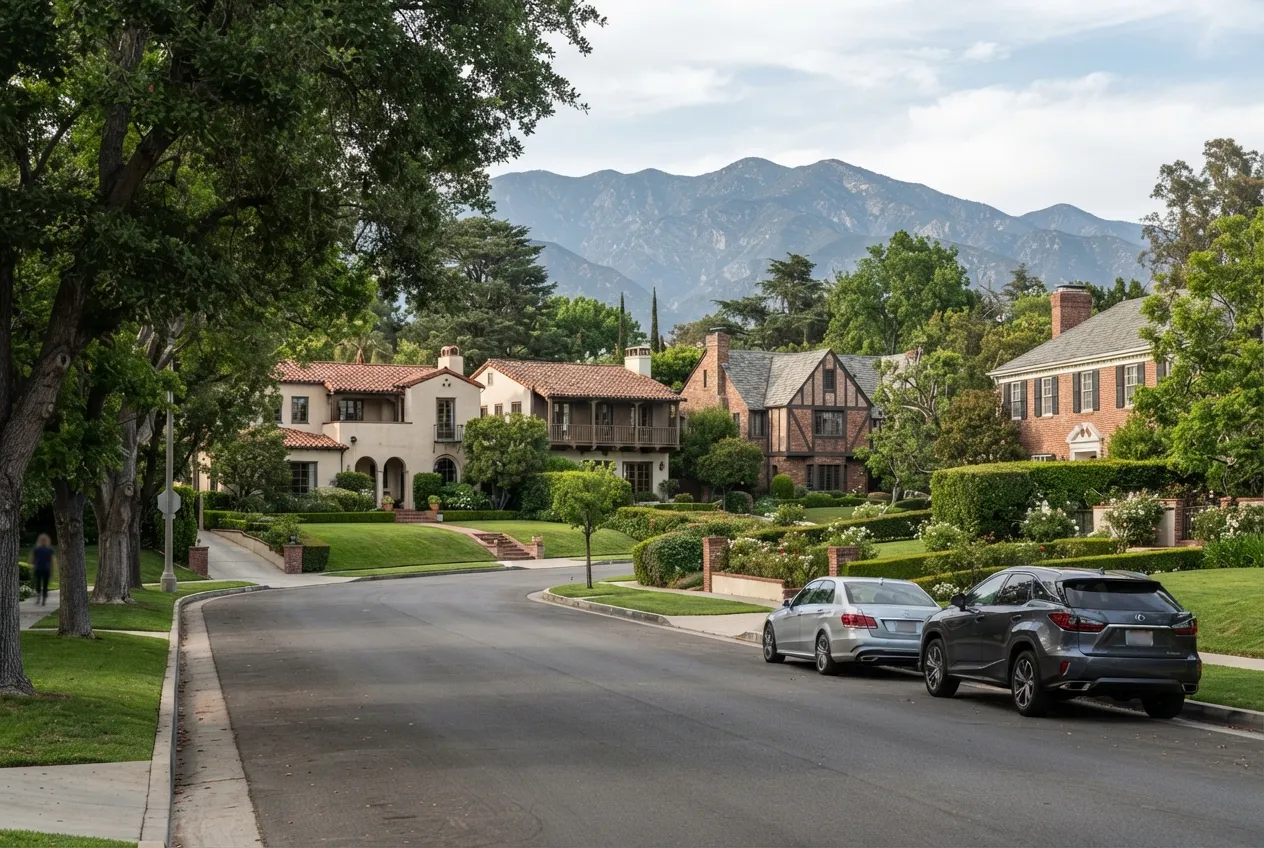
San Marino is only about two miles southeast of our Pasadena base, so SummitAir HVAC Contractors can usually reach homes in ZIP 91108 without a long drive. That proximity matters when an air conditioner gives out in the middle of a hot inland afternoon. Repairs here often involve more than one piece of equipment: many larger homes run two or three systems, some with zoning, some with equipment tucked into attics that are tricky to reach. Below is a practical guide to what tends to break, how zoned and multi-system homes complicate diagnosis, and what you can expect when we arrive.
One house, several systems
When a home has separate systems for upstairs and downstairs, or a zoned system with dampers, a complaint like the bedrooms are hot can come from several places. The upstairs unit might be low on refrigerant. A zone damper might be stuck closed. The thermostat for one zone might be wired to the wrong equipment after a past remodel. We start by mapping which thermostat controls which equipment and which dampers, then test each piece on its own.
This method avoids replacing a perfectly good condenser when the real culprit is a damper motor or a control board in the attic.
The usual failures
Whatever the layout, certain parts wear out faster in this climate because of long run times and high attic temperatures.
- Run capacitors and contactors on the outdoor unit
- Condenser fan motors and indoor blower motors
- Refrigerant leaks at coil joints, valves and flare connections
- Clogged condensate drains, especially on attic air handlers above finished ceilings
- Zone control boards and damper actuators
- Thermostat wiring or sensor faults
- Dirty outdoor coils packed with leaves, pollen or ash
Protecting ceilings below attic equipment
Attic air handlers are common in two-story homes, and when the condensate drain clogs, water can overflow the pan and stain the plaster below. If you see a damp spot, turn the system off and call. During repairs we clear the drain, check the secondary pan and verify that a float switch is installed and working, so the unit shuts off before water reaches the ceiling next time.
We also look at duct connections in the attic while we are up there. A loose collar or a split flex duct can explain why one room never cools, and it is often a straightforward fix.
What to expect on the visit
Our technician will ask a few questions about which rooms are affected and when the problem started, then go to work with gauges and meters. We check electrical components, refrigerant pressures and temperatures, airflow and drainage. You will get an explanation of what failed and why, along with repair options and our honest opinion on each.
Routine repairs are often finished during the same visit if the part is on hand. Refrigerant leak repairs take longer, since the leak must be found and sealed before the system is evacuated and recharged.
Some homes still run older systems that use R-22, which is no longer produced. For those, a major leak or compressor failure usually tips the decision toward replacement, and we can talk through options like a heat pump. Rebate programs depend on the utility that serves your address, which we confirm before quoting.
Keeping systems reliable through summer
A spring check before the heat arrives catches weak capacitors, low charge and clogged drains while there is still time. During summer, change filters more often, and swap them right after wildfire smoke settles over the valley. Keep landscaping trimmed back from outdoor units and avoid stacking garden furniture against them.
It also helps to keep a simple record of each system in the house: which thermostat runs it, where its filter slot is, and when it was last serviced. In homes with two or three units, that list saves time for everyone and makes it easier to spot a system that keeps needing the same repair. If a particular zone always struggles on the hottest afternoons, mention it during the spring visit, since an undersized duct or a weak damper is easier to address before the peak months than in the middle of them.
We provide AC repair in San Gabriel, South Pasadena, Alhambra, Temple City and Rosemead as well.
More services in San Marino
- Heating Repair in San Marino
- Heat Pump Installation in San Marino
- AC Installation in San Marino
- Furnace Repair in San Marino