
The short answer
Heating in San Marino ranges from modern furnaces and heat pumps to older gravity, floor and hydronic systems. SummitAir identifies what you have, checks gas safety and venting, and repairs the actual fault, with honest advice when an older system is near the end of its life.
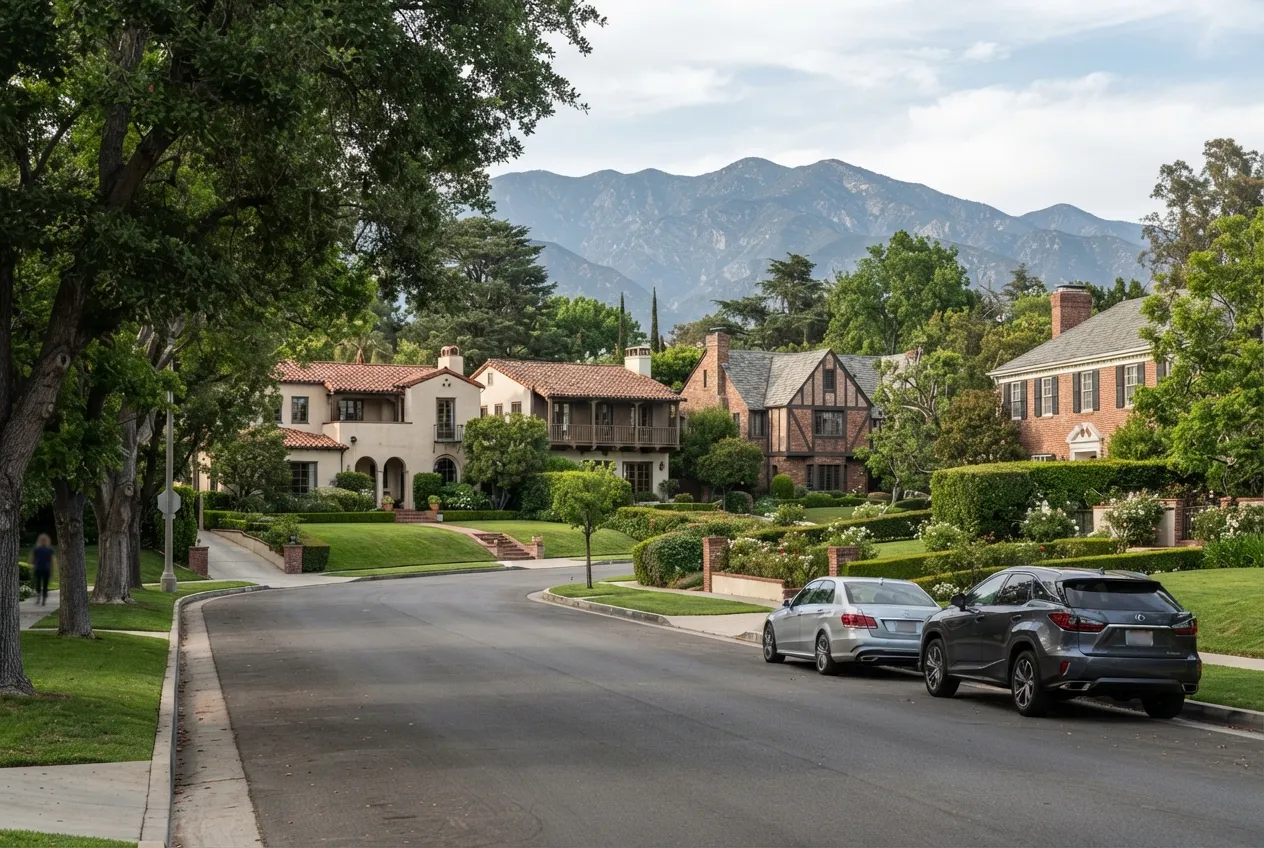
San Marino's housing stock covers a long stretch of history, and so does its heating equipment. On a single street you might find a modern high-efficiency furnace, a decades-old gravity furnace in a basement, a floor furnace under a hallway grate, a hydronic boiler feeding radiators, and a new heat pump serving an addition. SummitAir HVAC Contractors is roughly two miles away in Pasadena and repairs heating systems across ZIP 91108. Because the equipment varies so much, we have written this page as a set of short, practical notes on each heating type, with a focus on what fails, how we check it and when it is time to think about replacement.
Modern forced-air furnaces
These furnaces depend on a chain of components working in order: inducer, pressure switch, igniter, gas valve, flame sensor and blower. When heat stops, we watch that chain and read the control board's fault code to find the break. Dirty flame sensors, cracked igniters and failed inducer motors are frequent finds, and high-efficiency models add condensate traps and drain lines that can clog.
Gravity and floor furnaces
Older homes sometimes still use gravity furnaces, which rely on warm air rising through large ducts without a blower, or floor furnaces that heat the house from a single grate. Their designs are simple, but parts are often hard to find, and the venting needs careful inspection. We clean burners, check pilots and thermocouples, test gas valves and look closely at flue connections.
When these systems are safe and parts are available, a repair can keep them running. When they are not, we explain the options, including newer furnaces or a heat pump that also adds cooling.
Boilers and radiant heat
Some homes use hot water boilers that feed radiators or radiant floor loops. Common issues include circulator pump failures, air trapped in the lines, pressure relief valves that drip, and burner or ignition faults. We check system pressure, bleed air from radiators, test the circulator and inspect the burner and venting. If a repair is outside what we can handle on that visit, we tell you so directly.
Heat pumps
Heat pumps are becoming more common in San Marino, often in remodels and additions. Heating complaints usually involve the reversing valve, defrost controls, refrigerant charge, outdoor fan motor or thermostat setup. A thermostat configured for the wrong equipment type can make a healthy heat pump behave as if it is broken, so we confirm settings early in the visit.
Safety checks on every gas appliance
No matter the age of the system, every gas heating visit includes a safety review. If a carbon monoxide alarm sounds or you smell gas, leave the home and call the gas utility or emergency services before anything else.
- Vent connectors and flues checked for gaps, rust and proper draft
- Combustion air openings checked for blockage
- Accessible gas fittings tested for leaks
- Burner flames observed for color and stability
- Signs of soot, scorching or flame rollout investigated
- Carbon monoxide detector locations discussed if none are present near sleeping areas
Planning ahead
If your heating equipment is nearing the end of its life, it is worth knowing that South Coast AQMD Rule 1111 limits emissions from new gas fan-type central furnaces in this region and is being amended toward zero-emission requirements, with dates the district sets and revises. Rebates for heat pumps depend on the utility serving your address, and we confirm current offers before quoting them.
For older equipment in particular, early planning gives you room to choose. Ordering a hard-to-find part for a vintage furnace can take time, and designing a replacement that respects plaster walls, finished floors and original trim takes more thought than a simple swap. Starting that conversation in spring or summer, when the heater is not needed, means you are not making a rushed decision on a cold January night with the house at an uncomfortable temperature.
A yearly inspection before the cool season keeps older and newer systems alike in better shape. We provide heating repair in San Gabriel, South Pasadena, Alhambra, Temple City and Rosemead as well.
More services in San Marino
- AC Repair in San Marino
- Heat Pump Installation in San Marino
- AC Installation in San Marino
- Furnace Repair in San Marino