
The short answer
The usual furnace failures in Sierra Madre are dirty flame sensors, failed igniters, stuck pressure switches, clogged filters and worn blower motors. We test combustion and venting on every repair visit, fix the fault, and tell you if anything else looks unsafe.
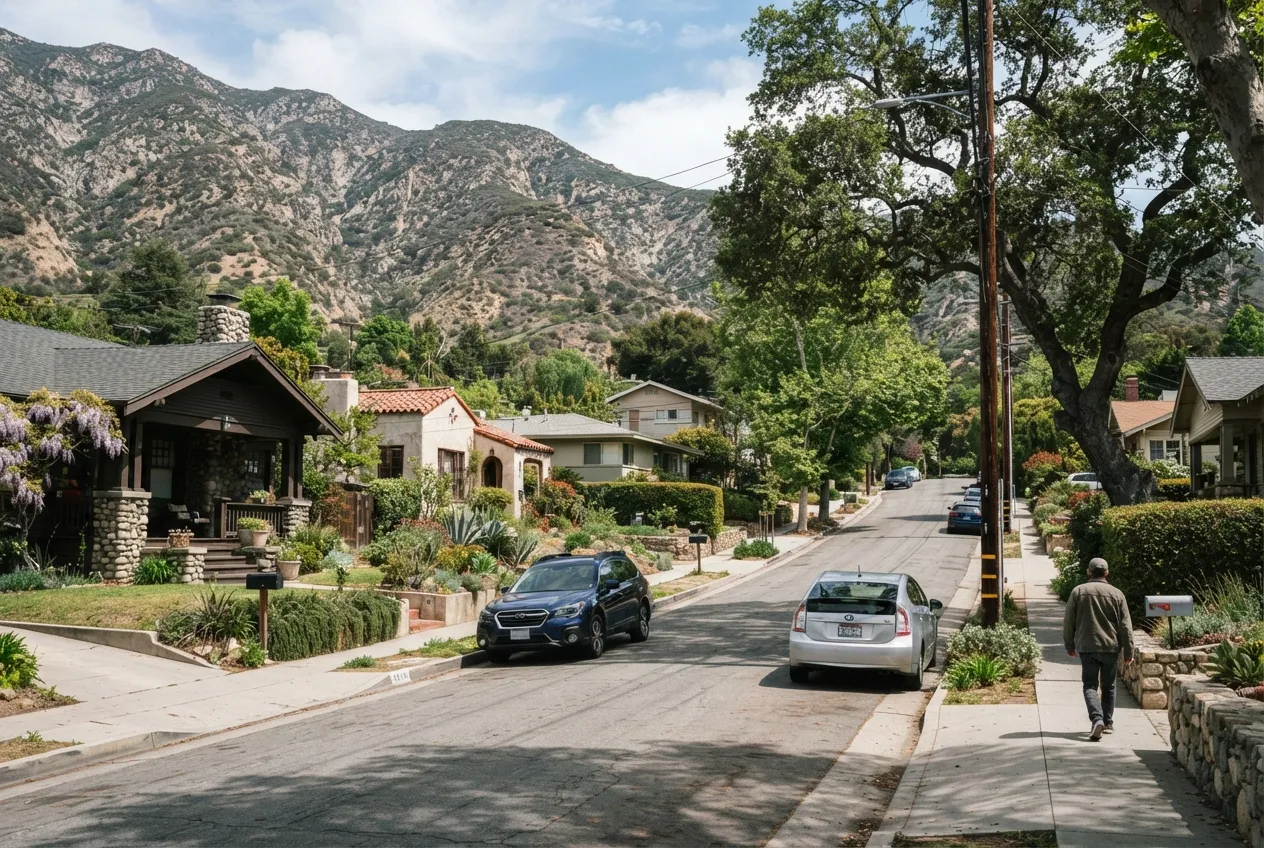
Winters in the Los Angeles basin are mild, but Sierra Madre sits higher and closer to the mountains than most of its neighbors, and clear nights here can turn cold enough that a furnace runs every evening from late fall into spring. Because many households only lean on their heat for a few months, problems tend to show up all at once: the first chilly night, the thermostat clicks, and nothing happens, or the burners light and then shut off a minute later. SummitAir HVAC Contractors repairs gas forced-air furnaces throughout 91024, about five miles east of our Pasadena base, with a focus on safe combustion and a clear explanation of what went wrong.
Reading what the furnace is telling you
Modern furnaces run through a fixed startup sequence, and where that sequence stops tells us a lot. The inducer fan should start first, then the pressure switch closes, then the igniter glows or sparks, the gas valve opens, and the flame sensor confirms the burners are lit. Finally the blower comes on to push warm air through the ducts. Most control boards flash a code when a step fails, and we read that code before touching anything.
- Inducer runs, nothing else happens: often a pressure switch issue caused by a blocked vent, a cracked hose, or a plugged condensate trap on high-efficiency units.
- Igniter never glows: a cracked hot surface igniter is one of the most common furnace repairs we make.
- Burners light and drop out after a few seconds: a dirty or corroded flame sensor, or a weak ground.
- Burners stay lit but the blower never starts: a failed blower motor, capacitor or control board relay.
- Furnace short-cycles and shuts down: overheating from a clogged filter or closed registers, tripping the high-limit switch.
Safety comes before comfort
A gas furnace that runs badly can do more than leave a room cold. On every repair visit we look at the heat exchanger for visible cracks or rust-through, check that the flue draws properly, and measure for carbon monoxide around the appliance. If we find a condition that is not safe to operate, we explain exactly what we saw and shut the gas to the unit rather than leave it running.
We also recommend a working carbon monoxide alarm near sleeping areas in every home that burns gas. It is an inexpensive safeguard, and it is the one thing that warns you if something changes between service visits.
Common furnace locations in older Sierra Madre homes
Furnaces here turn up in attics, hall closets, garages and under-floor spaces. Attic units are especially common in older stucco and wood-frame houses, and they come with their own wear points: dust and heat in summer, condensate lines that can freeze or clog, and flex ducts that pull away from the plenum over the years. Closet units in smaller cottages are often starved for combustion air when the door is kept shut or the closet is used for storage. Part of every repair is checking the conditions around the furnace, not just the furnace itself.
When a furnace should be replaced instead
A repair is usually the right call, but not always. A cracked heat exchanger, repeated control board failures, or a furnace so old that parts are hard to find all warrant a conversation about replacement. If you reach that point, be aware that South Coast AQMD Rule 1111 limits NOx emissions from natural-gas central furnaces sold and installed in the region, and the district has been amending it toward zero-emission requirements with its own compliance dates. Anyone planning a furnace replacement should check the current version of the rule, and we walk through how it affects your options, including whether a heat pump might make more sense for your house.
Before you call
A few quick checks can save you a visit. Make sure the thermostat is set to heat and the set point is above room temperature, and replace the batteries if it has them. Confirm the furnace power switch, which often looks like a light switch near the unit, is on. Look at the filter; a badly clogged one can trip the furnace on overheating. If you smell gas, leave the house and call the gas utility from outside before calling anyone else. We provide furnace repair in Arcadia, Temple City, San Marino, San Gabriel and El Monte as well.
More services in Sierra Madre
- AC Repair in Sierra Madre
- Heating Repair in Sierra Madre
- Heat Pump Installation in Sierra Madre
- AC Installation in Sierra Madre