
The short answer
We repair every common heating type found in Sierra Madre homes: gas furnaces, wall and floor heaters, ducted heat pumps and ductless mini-splits. Each has different failure points, so we diagnose the specific system first and explain the fix before doing the work.
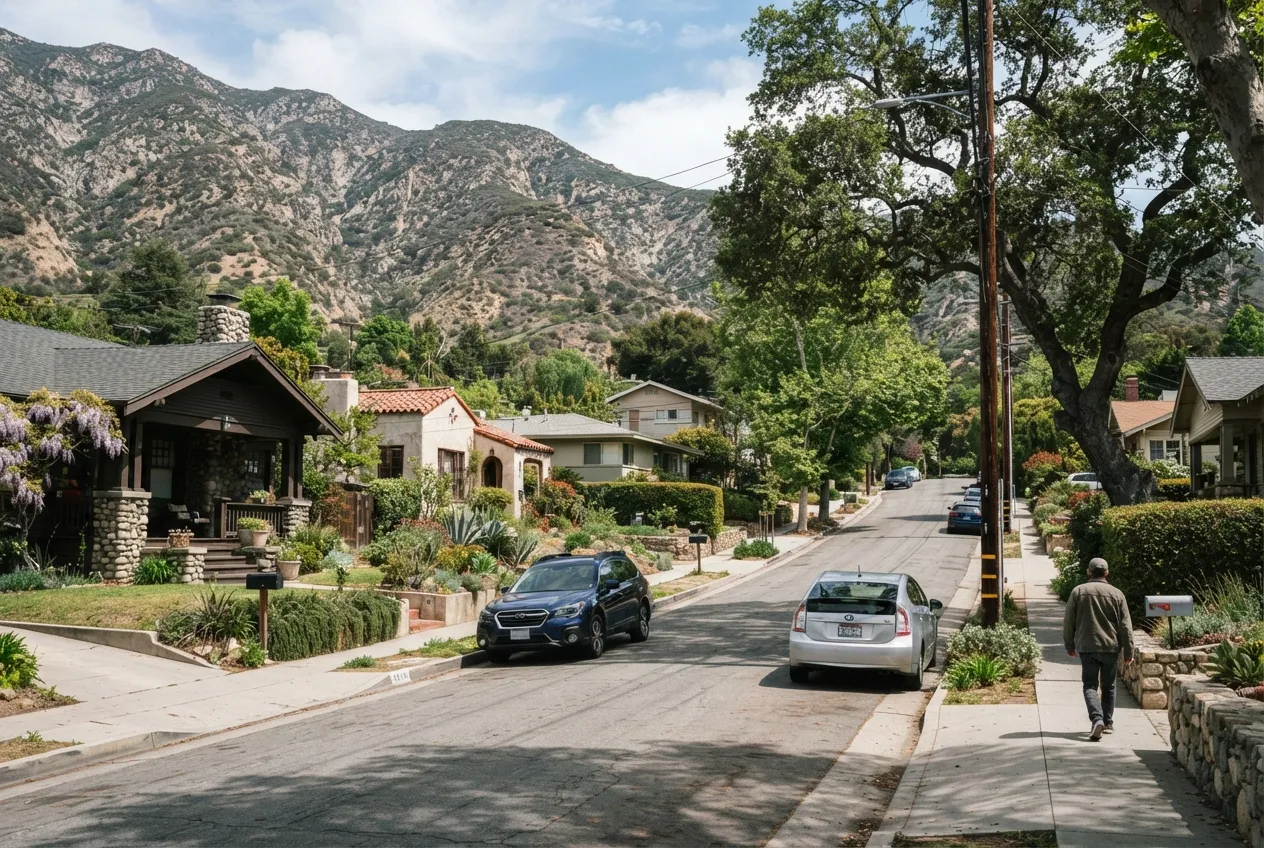
Not every house in Sierra Madre heats the same way. Walk down a few blocks in 91024 and you will find gas furnaces in attics and closets, wall heaters in small cottages, floor furnaces in some of the oldest homes, ductless heat pumps in remodeled rooms, and newer ducted heat pumps that replaced both the furnace and the AC. When one of them stops putting out warmth on a cold foothill evening, you need a technician who can work on whatever you actually have. Our crew comes in from Pasadena, about five miles west, and repairs all of these systems.
Matching the repair to the heater you own
Each heating type fails in its own way, and knowing the patterns shortens the diagnosis.
- Gas forced-air furnace: igniters, flame sensors, pressure switches, blower motors and control boards account for most calls.
- Wall heater: thermocouples, pilot assemblies, gas valves and blocked vents, plus dust buildup on the heat exchanger that causes odors.
- Floor furnace: pilot and thermocouple problems, debris falling through the grate, and venting that needs careful inspection on older installations.
- Ducted heat pump: reversing valve faults, defrost board problems, low refrigerant and thermostat settings that call for backup heat too often.
- Ductless mini-split: dirty indoor coils and filters, drain issues, communication errors between the indoor head and outdoor unit.
Heat pump heating problems, explained
More Sierra Madre homes now heat with heat pumps, and some owners are unsure what normal looks like. A heat pump delivers air that feels warm rather than hot, and it runs longer cycles than a furnace. It will also pause heating occasionally to defrost its outdoor coil, which can produce a cloud of vapor and a quiet whoosh. None of that is a fault.
What is a fault: cold air blowing for long stretches, an outdoor unit caked in ice that never clears, or a system stuck in cooling mode during winter. Those point to a reversing valve, defrost control, sensor or refrigerant issue, and we test each one directly rather than guessing.
Older homes, older heating
Many houses here have been updated piece by piece over decades, and the heating often reflects that history. We regularly see a newer furnace connected to original ducts, or a wall heater that has served a back bedroom since the house was built. Those mixed setups can leave one end of the house cold even when the equipment itself is working.
When a repair call reveals a bigger comfort problem, such as a room the ducts never reached or a return so small the furnace overheats, we point it out and explain your choices. Sometimes the answer is a duct modification, sometimes a single ductless head. The repair you called about still comes first.
Safety checks on gas heat
Any time we work on a gas appliance, we check how it vents and whether it is producing carbon monoxide around the unit. Wall and floor heaters in older homes deserve particular attention, because their vents can be partly blocked by nests, debris or past remodeling work. If a gas heater cannot be operated safely, we tell you why and leave it off until it is corrected. A carbon monoxide alarm near the bedrooms is a sensible addition in any home with gas heat.
Thinking about replacing instead?
If your heater is near the end of its life, a repair might still be the right short-term move, but it helps to know where the rules are heading. South Coast AQMD Rule 1111 limits NOx emissions from natural-gas central furnaces installed in this region, and the district has been amending it toward zero-emission requirements on a schedule it sets and revises. That is one reason many households are looking at heat pumps when the furnace finally goes. We can price both paths so you can compare them side by side. Our technicians also repair heating systems in Arcadia, Temple City, San Marino, San Gabriel and El Monte.
More services in Sierra Madre
- AC Repair in Sierra Madre
- Heat Pump Installation in Sierra Madre
- AC Installation in Sierra Madre
- Furnace Repair in Sierra Madre